
We are all very impressed with your facility, capabilities, strength of knowledge in your products and especially satisfied with the quality of work you deliver. Thanks again to all in the Apex team and look forward to our next project together

Achieve precise case depth and limited distortion, without compromising on part/tool performance and quality. The process is inherently a LEAN (single piece flow) process with high processing speed, precision heating control, as well as being highly flexible, easily handling most work piece shapes and geometries.
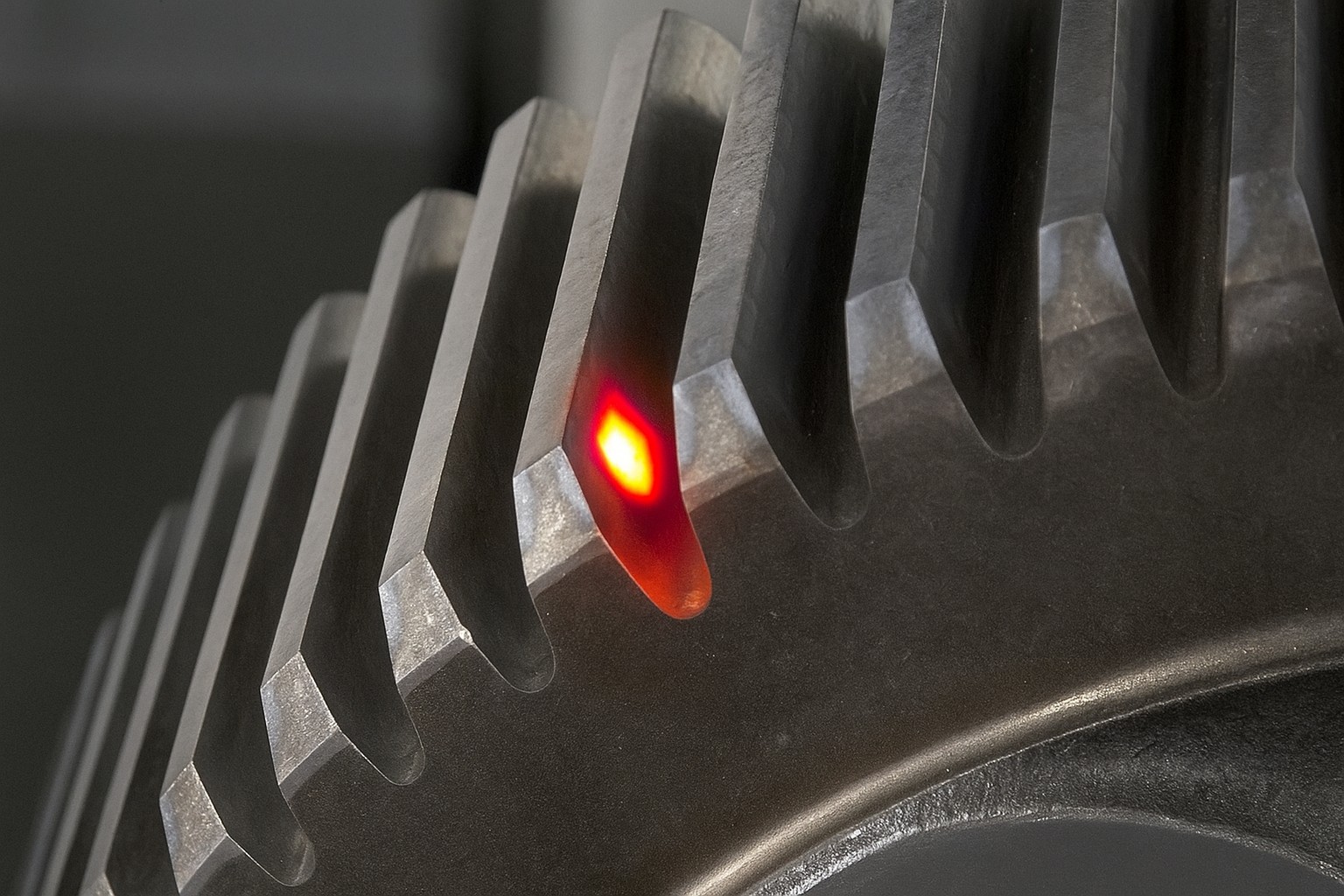
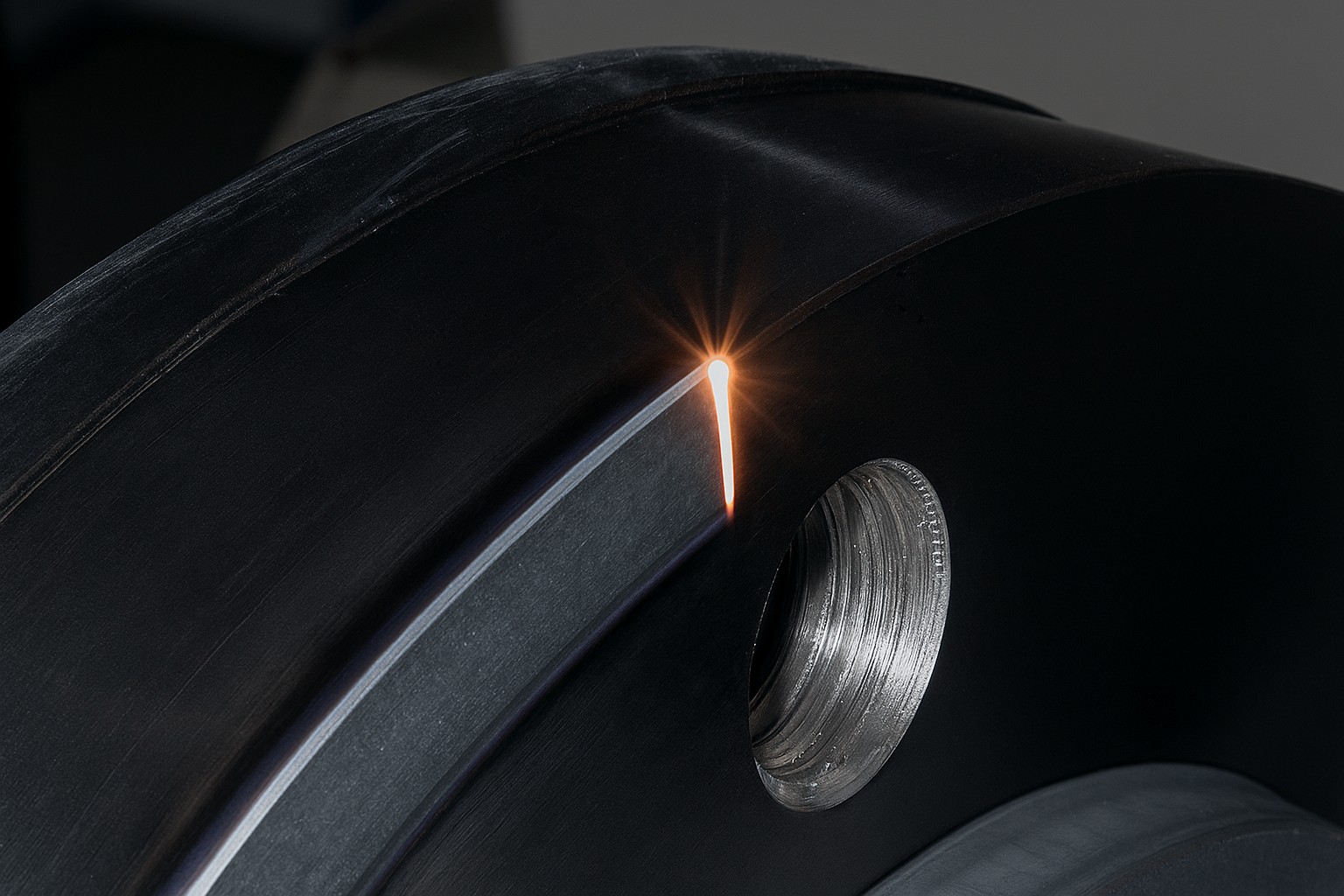
Transform your components with laser heat treatment that delivers measurable performance improvements. Our advanced process enhances durability while maintaining exact specifications.
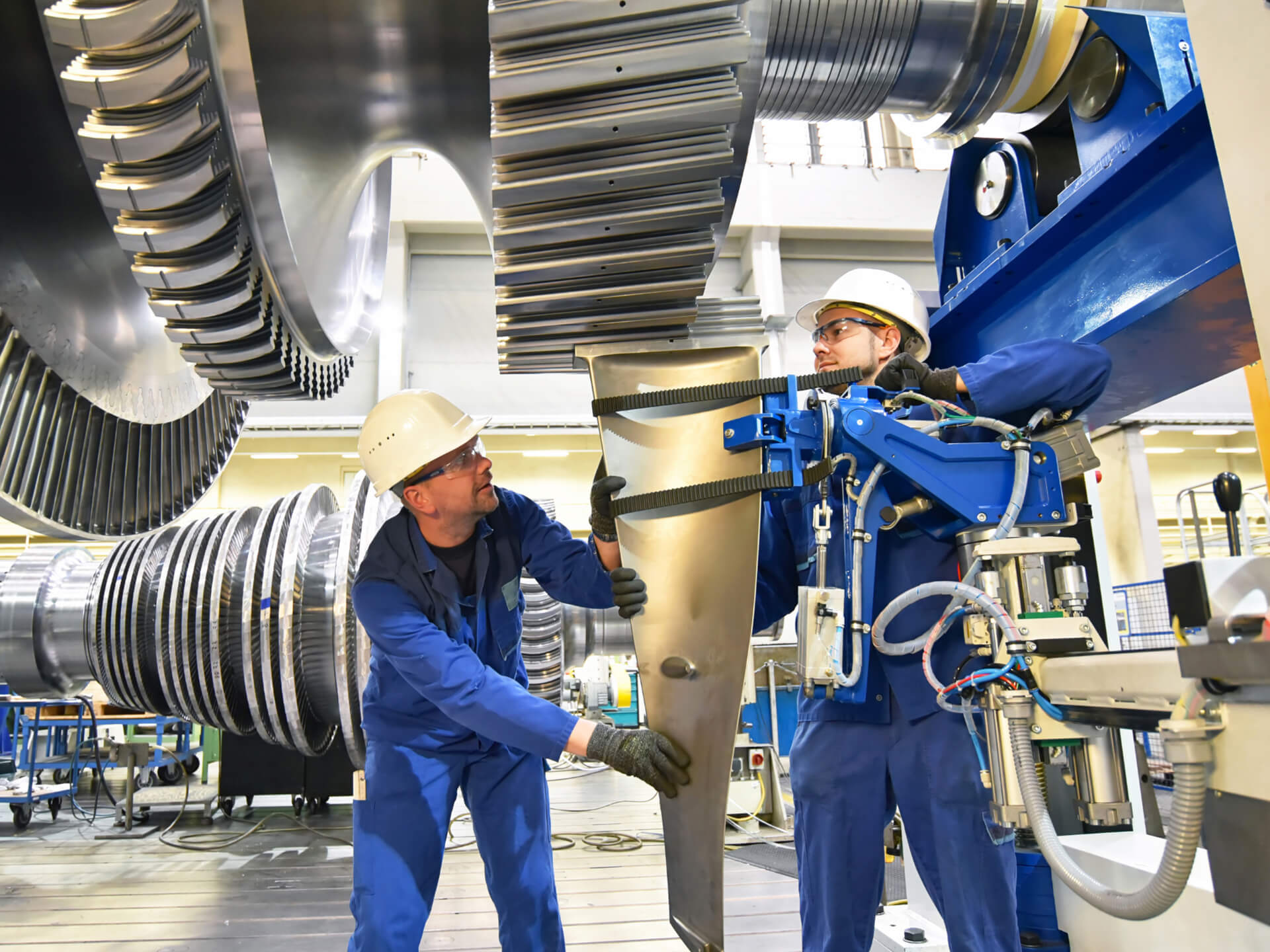
APEX ETG’s laser heat treatment service transforms your critical components through precision surface hardening. Our high-power diode laser technology creates hardened surfaces with precise case depths. The localised heating process ensures negligible distortion, eliminating costly post-processing while delivering enhanced wear, fatigue, and corrosion resistance. With processing speeds up to three times faster than traditional methods, we help you reduce production time and costs while improving component performance.
We are all very impressed with your facility, capabilities, strength of knowledge in your products and especially satisfied with the quality of work you deliver. Thanks again to all in the Apex team and look forward to our next project together
I just want to convey my appreciation for the good work that APEX has done for us. I have just been informed the components APEX repaired for us have exceeded all expectations. We have just crossed the 3x lifecycle benchmark. We would like to develop more applications with the team at APEX.
The game-changer for us to adopt laser cladding as our standard repair method was APEX’s willingness to undergo our supplier qualification process, to produce test tokens for laboratory and mechanical testing, and to adopt our quality control standards from the beginning. We look forward to develop more applications together with Apex ETG.
Laser heat treatment differs from conventional methods by using a high‑power, highly controlled laser beam to selectively harden the surface without heating the entire component, resulting in precise case depth, negligible distortion, and no need for quenching oils or post‑processing. It is inherently a LEAN, single‑piece‑flow process, up to three times faster than induction, with directional, line‑of‑sight heating that allows selective hardening in exact locations while maintaining the component’s original properties and dimensions.
Laser heat treatment is suitable for carbon and alloy steels, cast irons, powder metal parts, and a wide range of industrial components including bearing surfaces, cutting tools, pumps, valve seats and seals, drive‑train components, gears, cams, pulleys, forming tools, stamping dies, and turbine blades, making it valuable across mining, manufacturing, and energy industries.
The process improves component performance by generating precise hardened layers exceeding HRC 60, enhancing resistance to wear, fatigue, and corrosion while maintaining original core toughness. Localised laser heating creates a refined microstructure with high hardness and minimal dilution, significantly increasing durability and extending fatigue life, especially for drive‑train and powder‑metal components.
Laser heat treatment causes negligible or no distortion because of its narrow heat‑affected zone and highly localised heating, eliminating the bulk thermal expansion associated with traditional induction or furnace treatments and often requiring no post‑machining or corrective work.
Yes. APEX ETG’s laser systems are highly flexible, capable of handling most shapes and geometries through precise, line‑of‑sight heating control, with the ability to process internal features, complex profiles, and large components thanks to high‑power lasers, multi‑directional optics, and industrial-scale handling systems.
Laser heat treatment parameters – such as power density, traverse speed, beam size, and case‑depth targets – are adjusted based on alloy hardenability, thermal conductivity, and part geometry. This flexibility is supported by APEX ETG’s in‑house metallurgical expertise, enabling tailored microstructural transformation for steels, cast irons, and powder‑metal parts while preserving dimensional stability.
APEX ETG validates results through metallurgical laboratory testing, including hardness verification, microstructural analysis, and dimensional inspection to ensure case‑depth accuracy, hardness levels, and absence of distortion. Our integrated lab supports full material verification and quality control for every treated component.
APEX ETG can process large and heavy components, supported by industrial handling capabilities and high‑power lasers designed for drive‑train components, turbine blades, and large mining hardware; maximum capacity up to 12 metres in length and 40 MT in weight.
Laser heat treatment is significantly more cost‑effective than replacement because it increases surface hardness and extends service life without requiring new components, often improving lifecycle performance by 2–3×, reducing downtime, removing the need for replacement parts, and avoiding the costs associated with conventional distressing or distortion of components.
APEX ETG uses high‑power diode laser technology, which provides precise, consistent heating with highly directional energy distribution, enabling controlled case hardening, fast processing speeds, and negligible distortion across a wide range of industrial components.
No. Laser heat treatment does not require pre‑coating, and in most cases, it requires only minimal surface preparation. The process is very forgiving with respect to surface contaminants and does not require absorbent coatings or quench oils, unlike conventional methods that often need surface films or chemical agents to control energy absorption.
The laser’s directional line‑of‑sight heating allows it to harden clean metal surfaces directly, provided they are free of heavy scale, oil, or debris that could interfere with consistent heat transfer.
Get in touch for a free consultation with one of our experienced team members. APEX ETG has all of your application needs covered.